Safe, compliant pool fencing built to AS1926 for homes across Geelong and the Bellarine Peninsula. Glass and tubular aluminium pool fences with self-closing, self-latching gates.
We install AS1926-compliant pool fencing across Geelong and the Bellarine Peninsula — frameless glass, powder-coated aluminium and steel tubular barriers, with self-closing, self-latching gates. Barrier height, gap spacing and the non-climbable zone are built to the current standard. Free on-site quotes — 0485 577 980.
We build pool safety barriers to AS1926 for homes across Geelong and the Bellarine. That means a minimum barrier height, gaps under 100mm, and a gate that closes and latches on its own from any open position.
There's also a non-climbable zone that has to be kept clear on the outside of the barrier. How big it is depends on which edition of AS1926 applied when your pool was built. We set out and build to that zone as a matter of course — planter boxes, retaining-wall edges and garden taps all get taken into account.
You get glass, tubular aluminium or steel panels, posts spaced right, a compliant gate, and a barrier that's ready for sign-off. A registered pool safety inspector or your local council has the final say on compliance and the exact figures for your pool.
Request a QuoteCompliant pool fencing built for the Victorian safety rules and the salt air off the bay.
We build to the pool safety barrier rules in AS1926: 1.2m minimum height, gaps under 100mm between the uprights.
Gates are hung so they close and latch on their own from any open position.
We mark out the non-climbable zone before we start, so it comes in at the right clearance.
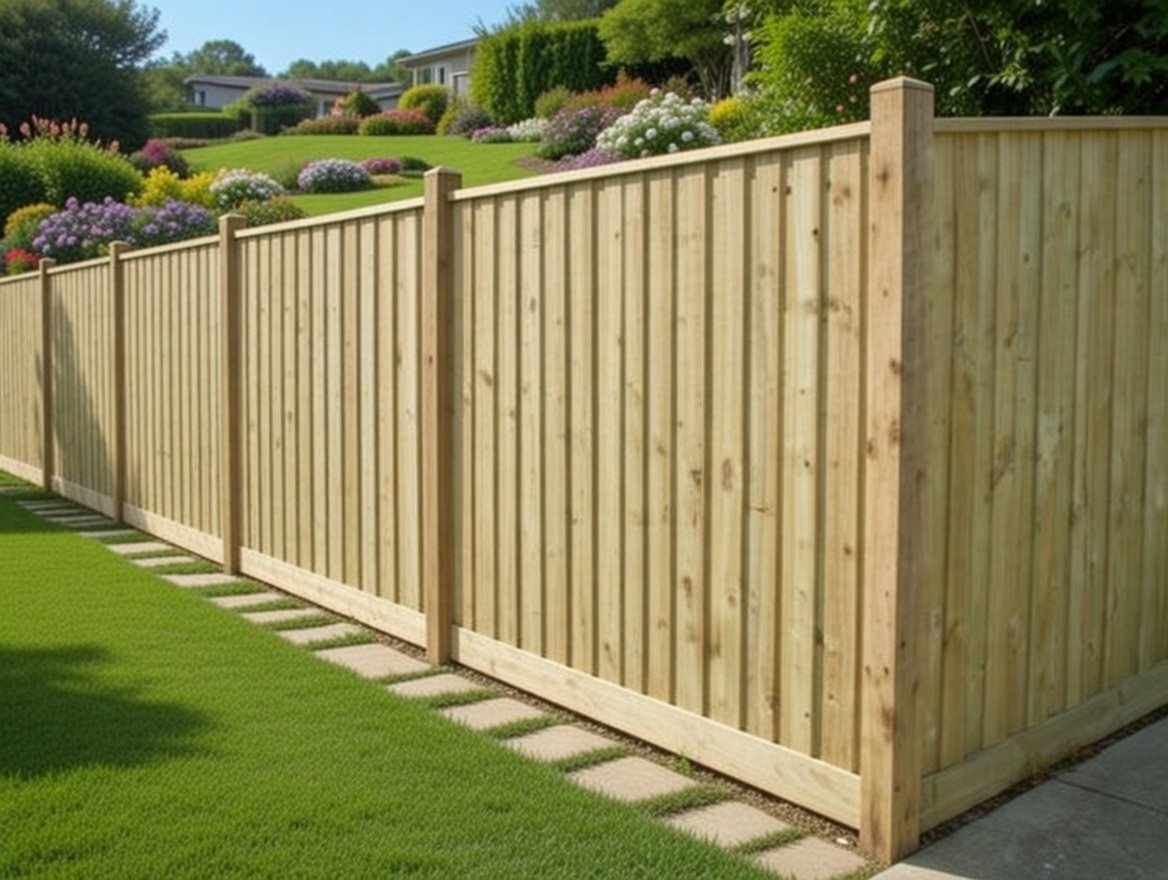
Frameless and semi-frameless glass gives you a clear view across the water. Tubular aluminium — the metal pool fence most people picture, in flat-top or loop-top — is the cheaper, lower-fuss option: it takes knocks and never needs painting. We'll talk you through which one suits your outlook and your budget.
Aluminium and glass don't rust, and we back them with stainless or marine-grade hardware so the spigots and hinges hold up against the salt air off the bay. A hose-down a few times a year is about all it asks of you.
Every pool gate swings outward, away from the water, on hydraulic hinges that pull it shut and latch it from any open position. We set the latch high or shield it so small hands can't reach it.
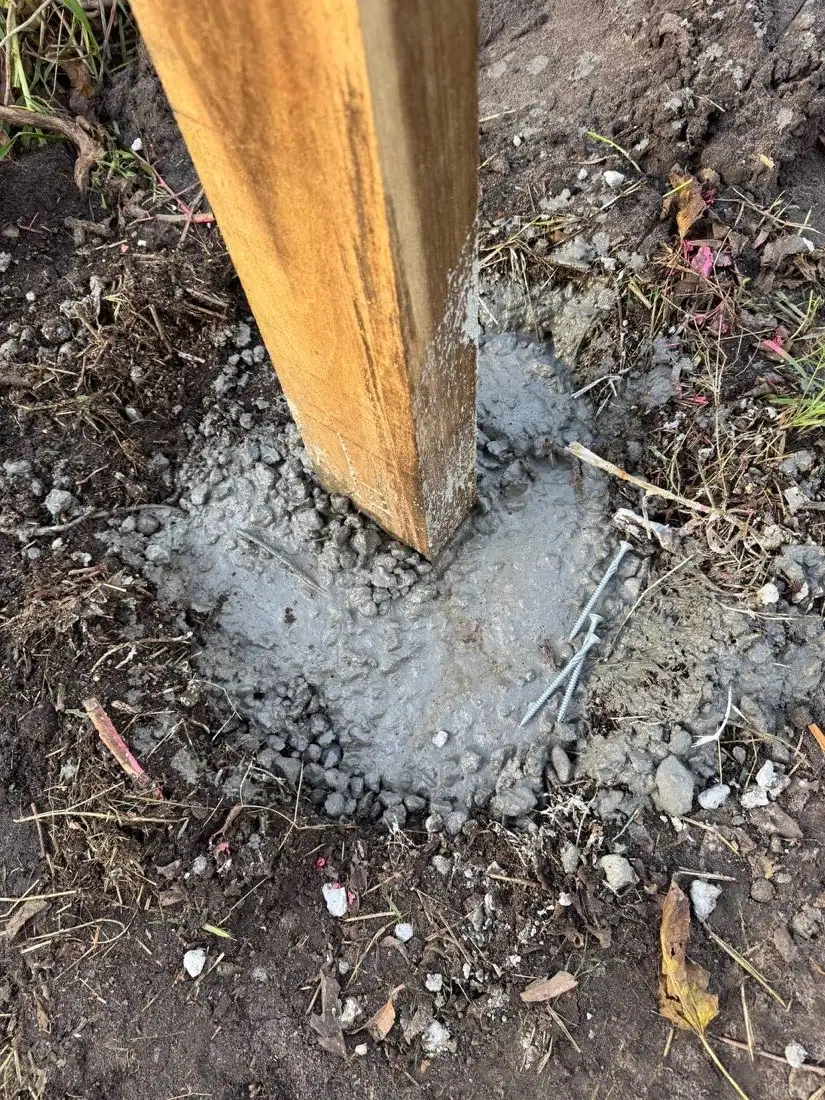
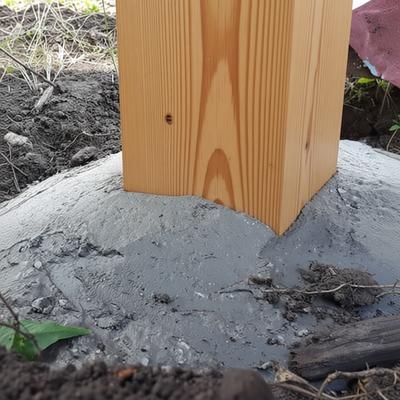
We pour wet concrete around every post and let it cure fully before fixing panels. On the sandy blocks around Clifton Springs and St Leonards, that's what keeps posts rigid rather than leaning within a couple of years.
We're Bellarine locals. We know what each council looks for on a pool barrier, how the blocks sit on the slopes above the bay, and what years of salt air do to hardware. When we pack up, the yard's swept and the offcuts leave with us.
We measure up on site and put a free quote in writing rather than pricing it over the phone. Tubular aluminium is the cheapest per metre, semi-frameless glass runs dearer, and frameless glass is dearer again.
A few things move the price on a pool fence:
Four steps — from the first measure-up to a barrier the inspector can sign off.
We measure the pool surround, walk the non-climbable zone with you, check what we're fixing into, and sort out glass versus aluminium before anyone talks price.
One itemised quote: materials, gates, hardware, footings, clean-up, and a timeframe we'll actually hit. Nothing buried in the fine print.
We core-drill into concrete and paving, or pour wet footings into soil, and space every post so the gaps between the uprights stay under 100mm. We check the clearance on the outside of the barrier before anything's fixed, so the zone is right from the start.
Panels go up, the gate gets hung and adjusted until it latches every single time, and we hand it over swept and ready for the inspector.
A plain-English guide to the Victorian pool safety barrier rules. This is general guidance only — your binding requirements depend on when your pool was built, so confirm them with a registered pool safety inspector or your council.
In Victoria, any pool or spa that can hold water deeper than 300mm needs a compliant safety barrier built to the AS1926 standard that applied when your pool was built — this includes inflatable and portable pools. We build every barrier around these requirements:
In Victoria, pool and spa owners must register their pool barrier with their local council and lodge a certificate of barrier compliance on the required cycle. Building a new barrier may also need a building permit. We build to AS1926, but registration, permits and the formal compliance certificate are arranged between the owner, council and a registered pool safety inspector.
Important: the details above are general guidance and the exact requirements depend on when your pool was built. For the binding rules that apply to your property, always confirm with a registered pool safety inspector or your local council before you build or rely on a barrier.
If your barrier is already built and you need a compliance certificate or a safety check, we recommend Local Pool Inspections — registered pool safety inspectors servicing Geelong and the Bellarine.